
There are many types of writing in 2023, ranging from traditional print media to digital and online formats.
Why 2023 Was Pivotal for Content Strategy
Short-Form and Purpose-Driven Content Took the Lead
By 2023, short-form video and interactive social posts dominated content strategies. 90% of marketers planned to increase or maintain investment in short-form video, and 73% of consumers preferred short clips when researching products or services. This made short-form formats critical for discovery and educational content alike.
At the same time, interactive and relatable content — from polls to UGC-style storytelling — became key to meaningful engagement, with marketers recognising relatability as top ROI content.
Social Trends Highlighted Audience Expectations
Content wasn’t just competing on quality — it competed on relevance. 2023 saw a shift toward authentic, conversational formats that mirror how people search and consume information, making search-intent planning indispensable for broader reach.
Meanwhile, traditional long-form writing remained vital for SEO and credibility, with organised, value-rich posts outperforming superficial content.
Planning Social Content: Search-Led and Brand-Centred
Aligning What People Search For With Brand Identity
Content that ranks and resonates happens when your brand answers real questions people are typing or speaking into search bars, and reflects your values. In 2023, voice search and conversational queries increased, pushing creators to optimise for natural, long-tail keywords that match user intent.
At Lepakcreator, we start by identifying the search patterns most relevant to your audience’s problems — for example:
- “How to use eco gear responsibly”
- “Travel sustainable on a budget”
- “Best travel hacks for beginners”
We then weave these queries into content that speaks with your brand voice and values, turning SEO opportunities into brand stories that genuinely connect.
Here are some of the most common types of writing that are relevant today:
1. News writing: In newspapers, magazines, and online news sites, this type of writing is typically found. Providing objective information and presenting facts concisely and clearly is the goal of news writing.
2. Feature writing: The term “feature writing” refers to a longer form of journalism that focuses on a particular topic or subject. Research and analysis are often accompanied by anecdotes and storytelling, as well as in-depth research and interviews.
3. Content writing: Writing content for the web aims to attract and engage online audiences. Blog posts, articles, social media updates, and other types of online content fall under this category.
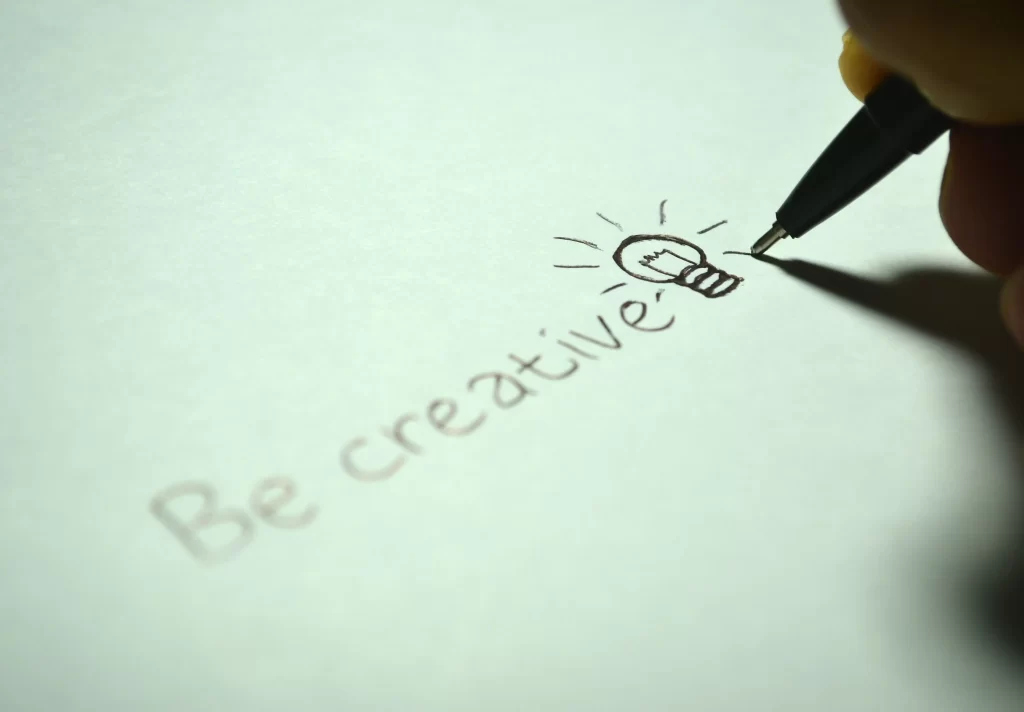
4. Copywriting: The purpose of copywriting is to create advertising and marketing content. A headline, tagline, product description, or other marketing messages can be part of this process.
5. Technical writing: Technical writing involves creating instructional or informative materials for business or industry. It includes user manuals, technical reports, and other types of technical documentation.
6. Creative writing: There are many genres of creative writing, including fiction, poetry, and memoir. Literary techniques such as metaphor and symbolism are often used in this type of writing to express personal feelings and creativity.
7. Scriptwriting: In scriptwriting, you write a screenplay or script for a film, television show, play, or another performance medium. Scripts contain dialogue, action, and other instructions for actors, directors, and production crew.
Integrating Traditional Writing With Social Planning
In 2023, successful content strategies didn’t pick sides — they blended formats:
- SEO-driven blogs and articles that satisfy search intent and provide depth.
- Short-form social content that distils those insights into high-impact, engaging bites.
- Interactive elements like polls, Q&A posts, and user stories to deepen engagement.
This hybrid approach ensures your brand appears both in search results and in social feeds, increasing reach and discovery.
What People are asking online:
What should brands write in 2023 to reach their audience?
Brands should focus on answering the questions people are searching for on Google, Instagram, and voice search — and tailor those answers to their brand core. This ensures content ranks and resonates.
How is writing for social media different from traditional writing?
Social writing prioritises brevity, engagement hooks, and trend awareness, while traditional writing prioritises depth, structure, and search relevance. The best plans use both strategically.
What role does search intent play in social content?
Search intent guides topic selection and framing — leading to higher visibility in search engines, improved relevance on social platforms, and better engagement overall.
How do I find topics people search for?
Use tools like Google Search Console, social platform insights, and keyword tools to identify long-tail queries like “eco travel tips for first-timers” — then translate these into both blog posts and social captions.
How do small businesses compete with bigger brands in writing?
By specialising — answering niche, specific questions that larger brands overlook — your content can rank more easily and build loyalty among audiences who feel seen and understood.
How should businesses in Singapore plan content that ranks locally?
Use Singapore-specific terms in your writing (e.g., “digital marketing trends Singapore 2023”), include local customer stories, and answer questions common to Singaporean consumers to improve local visibility.
How Lepakcreator Helps Business Owners Who Struggle With Quality Content
Many business owners we work with have engaged designers whose visuals look good but fail to drive traffic or engagement because the content lacks strategic structure and fails to answer what people are actually searching for. We help by:
- Conducting search intent research to inform topic planning
- Creating SEO-optimised content that aligns with brand values
- Producing social content calendars that marry search demand with brand narratives
- Ensuring every piece of writing — from captions to blogs — works to expand reach, not just fill space
With the advancement of technology and the media, the types of writing in 2023 will remain diverse and evolving. Writers who adapt their skills and styles to meet the needs of their audience and the changing demands of the market are the most successful.
Writing in 2023 became a strategic act — one that requires planners to understand what audiences are searching for and how those intents intersect with brand core values. For small businesses, this means content isn’t just published, it’s purposefully planned to be discoverable, meaningful, and aligned with what your audience cares about. When content answers real questions and conveys your brand identity authentically, it does more than reach eyeballs — it builds community and drives conversions. So as you craft your next content plan, how will you blend search insight and brand voice to create writing that connects and converts?
👉🏻 Look out for the latest Marketing & related Tips @lepakcreator Telegram Channel!
(Credits: Pexels)
Since you’re here, why not Read: