When we first started helping businesses grow online, we noticed something surprising: many business owners thought that simply having a website or showing up on Social media was enough. But the truth? That’s only the very beginning.
Over the years, we’ve seen brands thrive—or struggle—based on how they show up online. Your online presence isn’t just about being found; it’s about being seen, heard, and trusted by the right people.
So, what does it really take to have a strong online presence, and how can you start building it step by step? Let’s explore 9 key ways your business can be visible and connect with customers online, even if you’re just getting started.
1. Understanding Crawling: The First Step to Visibility
Crawling is the process through which search engines, social media platforms, and AI-driven systems discover your content. This content can take many forms:
- Text-based content: Blog posts, articles, website pages, and social media captions.
- Visual content with text: Infographics, memes, promotional images, or presentation slides that include textual information.
- Videos with text: Explainer videos, tutorials, product demos, or vlogs that contain captions, overlays, or descriptive titles.
- Structured online profiles: Social media accounts with bios, descriptions, and links.
- Websites: Company websites, landing pages, portfolios, and e-commerce platforms that feature informative textual context.
Simply putting content online increases your chances of being discovered. For instance, posting an image on Instagram with a caption containing relevant keywords allows search engines and the platform itself to crawl and index it. Similarly, a YouTube video with a descriptive title, tags, and captions ensures it is discoverable not only on YouTube but also in Google search results.
The key takeaway here is that crawling is about presence. To “be found,” you must have content online in a format that algorithms can interpret and index. Without this presence, no other digital marketing strategy—SEO, paid ads, or influencer marketing—can take effect.
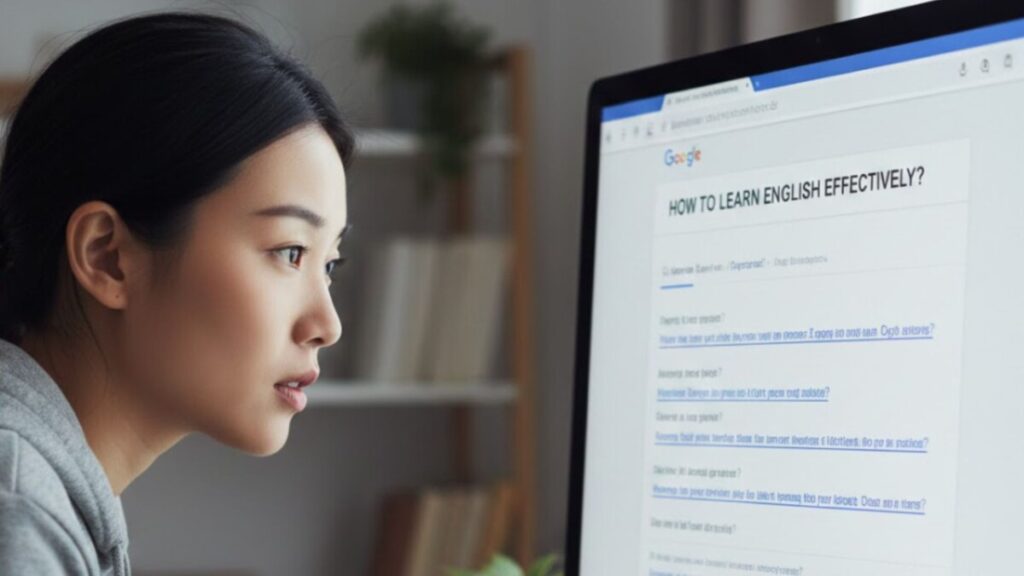
2. Content Is the Core: Types That Attract Crawlers
There are multiple content types that enable crawling, and each has unique features and advantages:
2.1 Text-Based Content
Text remains the most crawler-friendly medium. Search engines can easily parse and understand textual content to determine relevance and ranking. Examples include:
- Blog posts on your website.
- Descriptive captions on social media.
- Product descriptions on e-commerce platforms.
- About pages, service pages, or FAQ sections.
Text content is critical because it conveys not only the topic but also the context of your brand. Keywords, headings, meta descriptions, and schema markup all help algorithms understand the intent behind your content.
2.2 Images With Text
Visual content dominates digital platforms, but images alone are not fully crawler-friendly unless paired with descriptive text. To optimize images for crawling:
- Include alt text that describes the image accurately.
- Use image captions that provide context.
- Optimize file names with relevant keywords.
- Ensure images are embedded within content that provides a narrative or purpose.
Images with textual elements, such as infographics or meme-style content, are particularly effective when the text is indexable. Platforms like Pinterest or Google Images can crawl and understand images if they contain relevant, descriptive text.
2.3 Videos With Text
Videos are increasingly powerful for content marketing, but crawlers primarily understand text rather than moving visuals. To make videos crawler-friendly:
- Use captions or subtitles that replicate spoken content.
- Include descriptive titles and tags.
- Write comprehensive video descriptions.
- Add transcripts for long-form content.
These measures ensure that your video can be discovered in search engines and platforms like YouTube or TikTok, aligning your video content with crawling and indexing processes.
2.4 Social Media Accounts With Bios
Even a simple social media profile is content that can be crawled. Consider these elements:
- Profile bio: Keywords in your bio can help your account appear in searches.
- Profile links: These contribute to web authority and traffic.
- Public posts: Content shared publicly is indexed by search engines.
Having a consistent social media presence strengthens your online footprint, making it easier for algorithms to crawl and recognize your brand across platforms.
2.5 Websites With Textual Context
Websites serve as a central hub for crawling. Well-structured websites with clear, readable, and relevant text are easier for search engines to understand. Essential practices include:
- Implementing SEO-friendly headings (H1, H2, H3) to structure content.
- Including meta tags and descriptions for every page.
- Creating internal links that guide crawlers through your site.
- Using structured data to communicate content type and intent.
A well-built website not only ensures crawling but also establishes credibility and authority in your niche.

3. Aligning Crawled Content With Your Branding
While putting content online is sufficient for basic crawling, achieving brand-aligned visibility requires more intentionality. Your brand is more than a logo—it encompasses your voice, values, messaging, and visual identity. Misalignment between content and brand can confuse your audience and dilute trust. Here’s how to align your content with branding while optimizing for crawling:
3.1 Define Your Brand Voice and Tone
Before creating content, clarify your brand voice. Ask yourself:
- How does my brand speak? Friendly, authoritative, playful, professional?
- What emotions should my content evoke?
- How do we want audiences to perceive us?
For example, a luxury skincare brand might adopt an elegant, calming tone, while a gaming brand might be playful and energetic. Every piece of content—text, image, or video—should reflect this tone. Crawlers index the content you publish, but users engage with content that aligns with their expectations of your brand.
3.2 Use Consistent Visual Identity
Visual elements—colors, fonts, design styles—should follow your brand guide. Consistency helps:
- Strengthen brand recognition.
- Maintain user trust and engagement.
- Support content discoverability across platforms.
When images or videos are consistent in style and theme, your audience begins to associate them with your brand, reinforcing the value of your crawled content.
3.3 Optimize Content for Answer Engine Optimization (AEO)
Answer Engine Optimization (AEO) is the next evolution of SEO. While SEO focuses on ranking for keywords, AEO emphasizes providing direct answers to user queries. To optimize your content for AEO:
- Include concise, clear answers to common questions.
- Structure content with headings, bullet points, and lists for readability.
- Use semantic keywords and natural language queries.
- Align answers with your brand voice while remaining factual and helpful.
For example, if your brand is a wellness facial boutique, your content should answer questions like “What is a pore extraction facial?” or “How does aromatherapy improve sleep?” in a way that reinforces your brand identity and professionalism.
3.4 Leverage Multi-Format Content
Crawlers understand content in various formats, so using a mix can increase visibility while keeping branding intact:
- Text posts with branded hashtags.
- Branded infographics or images with overlayed messaging.
- Tutorial videos featuring your brand colors and voice.
- Social media profiles with a consistent bio, logo, and messaging.
Multi-format content ensures you capture attention across search engines and social media while reinforcing your brand narrative.
4. Practical Steps to Make Crawling and Branding Work Together
4.1 Audit Existing Content
Start by evaluating all online assets:
- Are your website pages optimized with text and structured content?
- Do your images have descriptive alt text?
- Are videos captioned and keyword-rich?
- Are social media profiles complete and aligned with your brand?
Identifying gaps ensures that all content aligns with both crawling requirements and brand guidelines.
4.2 Create Content With Crawling in Mind
When producing new content:
- Research relevant keywords and queries for your niche.
- Draft content in a brand-consistent voice, ensuring it answers audience questions.
- Incorporate visuals and videos that enhance engagement and contain text elements.
- Apply proper formatting, including headings, lists, captions, and alt text.
- Publish across platforms with complete and brand-aligned profiles.
4.3 Implement Structured Data and Metadata
Structured data tells search engines what your content represents. Use:
- Schema markup for articles, products, videos, and FAQs.
- Meta titles and descriptions that include keywords while reflecting brand messaging.
- Open Graph tags for social media to maintain branding when shared.
This ensures crawlers understand your content and display it accurately to users searching for relevant information.
4.4 Monitor Crawling and Engagement
After publishing content:
- Use tools like Google Search Console to monitor indexing.
- Track engagement on social media platforms.
- Adjust content strategy based on performance, ensuring alignment with brand and audience needs.
Monitoring ensures that your content not only gets crawled but also resonates with your target audience in a way that reinforces your brand identity.
5. Common Mistakes to Avoid
5.1 Ignoring Brand Guidelines
Putting content online without following brand guidelines can confuse your audience. Inconsistent tone, visuals, or messaging undermines trust and reduces the impact of crawled content.
5.2 Overlooking Text in Visual or Video Content
Crawlers cannot “see” images or videos like humans do. Without text elements, captions, or descriptions, these assets may go unnoticed in search results.
5.3 Keyword Stuffing
Focusing only on keywords without addressing user intent or maintaining brand voice leads to low engagement. AEO emphasizes answering questions, not merely ranking for keywords.
5.4 Neglecting Multi-Platform Presence
Relying solely on a website or single platform limits crawling potential. Social media accounts, videos, and images across platforms enhance discoverability and reinforce branding.
6. Case Study: Brand-Aligned Crawling in Practice
Consider a wellness spa aiming to increase online visibility while maintaining brand identity:
- Step 1: Website Optimization
The spa creates informative articles about facials, aromatherapy, and wellness tips. Each article includes headings, bullet points, and structured data markup. - Step 2: Video Integration
Tutorials on skincare routines are uploaded to YouTube with captions, descriptive titles, and transcripts. - Step 3: Visual Content
Branded Instagram posts feature soothing colors, overlayed tips, and alt text for accessibility. - Step 4: Social Media Profiles
Each platform features a consistent bio, profile picture, and branding elements, ensuring discoverability and trust. - Step 5: AEO Alignment
Content answers common questions like “How often should I do a pore extraction facial?” directly in blog posts and videos, following the brand’s voice and visual identity.
Result: The boutique achieves high crawling and indexing rates, consistent brand recognition, and improved engagement across platforms, while aligning its content with AEO best practices.

7. The Future of Crawling and Brand Alignment
The digital landscape is evolving rapidly. Crawlers are becoming more sophisticated, and platforms increasingly prioritize content that:
- Provides direct answers to user queries (AEO-driven).
- Aligns with brand authority and identity.
- Integrates multi-format content seamlessly.
Brands that master the art of crawling while staying true to their identity will have a distinct advantage. It’s no longer sufficient to just “be online.” Strategic content planning, optimization for crawling, and strict adherence to brand guidelines are critical for long-term visibility and credibility.
8. Conclusion
Crawling is the foundation of digital presence, but visibility alone is not enough. To make crawling effective, you must ensure that all online content—text, images, videos, and social media profiles—is aligned with your brand identity and optimized for Answer Engine Optimization (AEO). This approach ensures that:
- Your audience finds you easily across platforms.
- Your content reflects your values, tone, and voice consistently.
- Your brand maintains credibility and trustworthiness.
- Your content performs well not just in search engines, but also in engaging and converting your target audience.
By combining online presence, brand alignment, and AEO strategies, businesses can achieve sustainable visibility, strengthen their brand, and stand out in an increasingly crowded digital space. Remember: putting content online is just the first step. Aligning that content with your brand is what transforms crawling into meaningful digital impact.
Ready to turn your online presence into a powerful asset that truly works for your brand? Stop juggling endless advice that doesn’t deliver results. Talk to us, and we’ll help you create content that gets crawled, aligns with your branding, and reaches the right audience—efficiently and effectively. Let’s make your digital presence work for you, not the other way around.