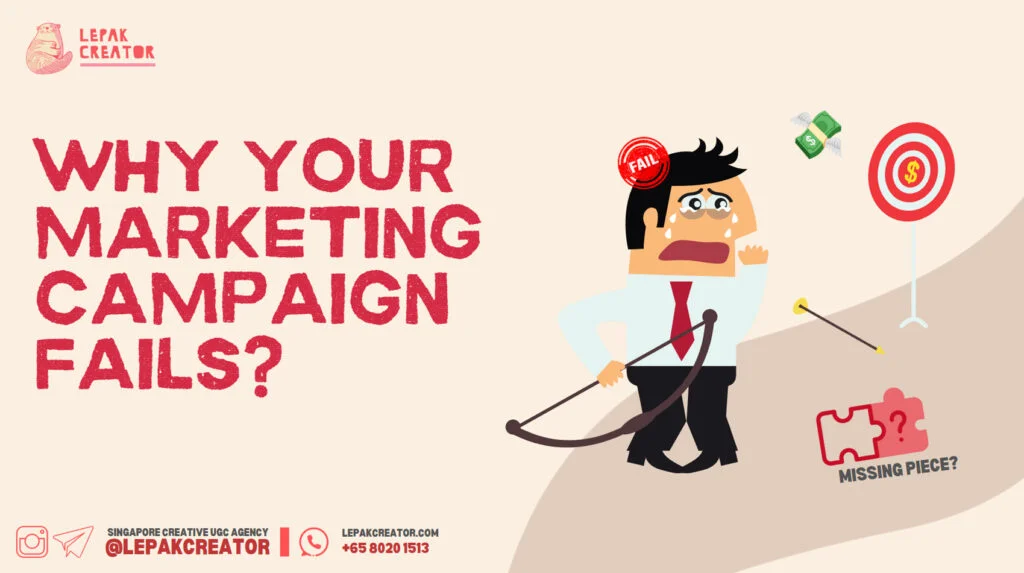
It’s Not Just About Being “Special” — It’s About Owning a True, Belief-Driven USP
The Campaign That Looked Perfect — But Didn’t Work
Mel thought she had it all figured out. Her café had a “unique concept,” beautifully designed branding, and she was running consistent ads on social media. The visuals were polished, the copy sounded catchy, and traffic was flowing in.
But sales? Almost flat.
When she came to Lepakcreator, we uncovered the real issue: her brand wasn’t clear. She thought being “special” was enough — but her message wasn’t distinctive enough to matter. Customers couldn’t answer one simple question: Why should I choose you over everyone else?
Once we refined her positioning — aligning her USP (Unique Selling Proposition) with her beliefs, story, and customer needs — her messaging became sharper, her ads more effective, and her conversions improved.
This is the missing piece most businesses overlook:
A real USP is not just different — it is deeply meaningful, specific, and irreplaceable.
Many businesses jump straight into marketing—spending time and money on ads, social media, and promotions—only to find that their message doesn’t stick. The reason? They haven’t defined their Unique Selling Proposition (USP) beyond just their product, service, or price. If your marketing efforts aren’t bringing in the results you expect, it’s likely because you’re only communicating the obvious USP and not the deeper USP that truly resonates with your audience
Let’s break this down.
Obvious vs. Deeper USP: Why You Need Both
Most businesses stop at the obvious USP—the technical aspects of what they sell. While these are important, they don’t create deep emotional connections with customers.
(1) The Obvious USP (What You Sell & How It’s Different)
This is your surface-level differentiator, focusing on:
-Pricing (cheaper, premium, best value)
-Features (organic, handcrafted, fast delivery)
-Availability (convenience, multiple locations)
-Quality (better ingredients, durability, customization)
Example: A Skincare Brand
Obvious USP: “We use 100% natural, organic ingredients.”
Obvious USP: “Our formula works 2x faster than competitors.”
Sounds good, right? But here’s the problem—so do a hundred other brands.
(2) The Deeper USP (Why It Truly Matters to Customers)
This is the emotional and transformational aspect of your brand—the reason people choose you over competitors even when there are similar options.
To find your deeper USP, ask:
- How do customers feel before and after using your product/service?
- What emotional problem do you solve?
- What identity do your customers want to embody?
Example: The Same Skincare Brand
Deeper USP: “We help people feel beautiful and confident in their natural skin, so they don’t have to hide behind makeup.”
Deeper USP: “Our skincare isn’t just about clear skin—it’s about reclaiming self-love and confidence at any age.”
See the difference? One is about ingredients, the other is about transformation. People don’t just buy products—they buy better versions of themselves.
Why Defining Your USP Before Marketing Matters
–Without a deeper USP, your marketing will blend in with competitors.
–You’ll attract customers who care only about price—not loyalty.
–Your brand won’t create a lasting emotional connection.
If you don’t clarify your deeper USP before running marketing campaigns, you’ll waste time and money trying to sell features instead of impact.
Marketing is not just about showcasing what you sell—it’s about showing customers why it changes their lives.
Why Most Marketing Campaigns Fail
1. Lack of Clear Positioning
Many businesses assume that having something “unique” is enough. But in reality:
- Vague uniqueness doesn’t create demand
- Generic differentiation doesn’t build trust
Research shows that brands with strong, clear positioning can achieve up to 2x higher revenue growth compared to those without it.
Without a clear USP, your marketing becomes noise.
2. Confusing “Special” with “Meaningful”
Being different is easy. Being meaningfully different is hard.
Example:
- “We offer high-quality service” → Generic
- “We help busy professionals regain 10 hours a week through done-for-you systems” → Clear and compelling
A strong USP answers:
- Who is it for?
- What problem does it solve?
- Why is it the only logical choice?
3. Weak Alignment Between Marketing and Belief
Your USP should reflect your core belief system — what you stand for and why your business exists.
Consumers today care about authenticity:
- 86% of consumers say authenticity is important when deciding which brands to support. (stackla.com)
If your messaging doesn’t reflect a genuine belief, it feels shallow — and people don’t connect.
What a True USP Really Looks Like
A real USP is:
- Specific – clearly defined outcome
- Relevant – solves a real problem
- Defensible – difficult to replicate
- Belief-driven – rooted in your values
It’s not just “what makes you different.”
It’s why you exist — and why only you can deliver it in this way.
The Missing Link: Why Ads Alone Don’t Work
Many business owners run ads expecting results — but ads only amplify what already exists.
If your USP is weak:
- Ads bring traffic but no conversions
- Leads come in but don’t buy
- Engagement increases but sales don’t
Studies show that only about 2–5% of website visitors convert, highlighting how critical messaging and positioning are in turning traffic into customers.
How to Find Your Deeper USP Before Your Next Marketing Campaign
(A) List your obvious selling points. (What makes your product/service different functionally?)
(B) Ask ‘Why does this matter?’ (What’s the emotional benefit behind it?)
(C) Ask ‘How does this change someone’s life?’ (What transformation does it create?)
Formula: “We don’t just [obvious USP], we [deeper USP that changes how people feel/live].”
Example: A Café
Obvious USP: “We serve the best locally sourced coffee.”
Deeper USP: “We create a space where people can pause, reconnect, and find inspiration in their daily routine.”
How Lepakcreator Helps Fix This
At Lepakcreator, we work with business owners who:
- Run ads but struggle to convert leads
- Have invested in design but lack clarity in messaging
- Feel their brand is “nice” but not compelling
We help by:
- Clarifying Your USP
Turning vague uniqueness into a sharp, compelling position - Aligning Brand Belief with Messaging
Ensuring your content reflects what you truly stand for - Structuring Conversion Journeys
From ads to landing pages to follow-ups - Bridging Marketing and Sales
So attention turns into actual revenue
This transforms your campaigns from attractive but ineffective into strategic and profitable.
People also ask these Questions online:
Why do marketing campaigns fail even with good ads?
Because ads amplify your message — they don’t fix weak positioning. Without a clear USP, campaigns attract attention but fail to convert.
What is a USP in marketing?
A USP (Unique Selling Proposition) is the specific reason customers choose your business over competitors, based on value, differentiation, and relevance.
How do I create a strong USP for my business?
Focus on:
- A specific target audience
- A clear problem you solve
- A unique method or belief
- A measurable outcome
Why is my business unique but still not getting sales?
Because uniqueness alone isn’t enough — it must be clear, relevant, and compelling to your audience.
Can a business succeed without a USP?
Short-term, maybe. Long-term, unlikely. Without a clear USP, businesses struggle to stand out, build loyalty, or sustain growth.
Why do many Singapore businesses struggle with marketing conversions?
High competition and similar offerings make it difficult to stand out. Without a strong USP and clear positioning, businesses blend into the market, reducing conversion effectiveness.
Final Thoughts: The Secret to Marketing That Actually Works
Before launching any marketing campaign, ask yourself:
-Are you just talking about your product, or are you selling a transformation?
-Are you highlighting what you do or why it truly matters to your customers?
When you market your deeper USP, you’re no longer competing on price, features, or availability. You’re building a brand that people connect with on a personal level—and that’s what creates loyalty, trust, and long-term success.
Before you invest in your next ad, social media post, or marketing campaign—define your deeper USP first. Because great marketing isn’t about selling products. It’s about selling a feeling, an experience, and a transformation.
Most marketing campaigns don’t fail because of poor design or lack of effort — they fail because of a missing foundation: a clear, meaningful, belief-driven USP. Being “special” isn’t enough. Your brand must communicate something so specific, relevant, and authentic that customers immediately understand why you are the only choice.
For business owners running ads but struggling to convert, the solution isn’t just better creatives or bigger budgets — it’s deeper clarity, stronger positioning, and alignment between what you believe and what you communicate, something Lepakcreator helps bring to life so your marketing finally works as it should.
So before launching your next campaign, ask yourself: are you just different — or are you truly unforgettable?
👉🏻 Look out for the latest Marketing & related Tips @lepakcreator Telegram Channel!
(Credits: Pexels)
Since you’re here, why not Read: