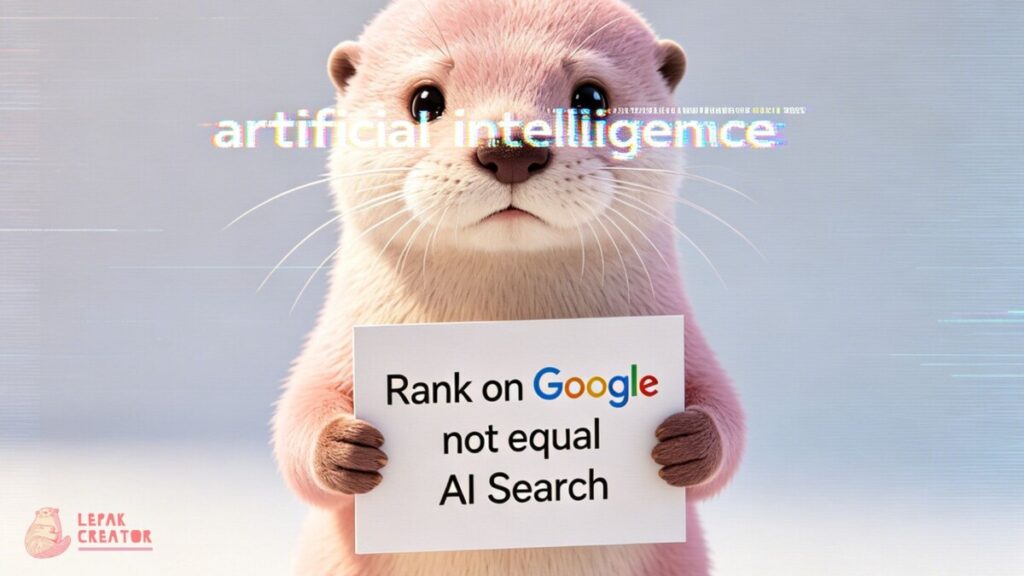
There’s a growing frustration among business owners and marketers:
“My website used to rank well on Google… but now it barely shows up in AI search results or AI summaries.”
This shift is not random. It reflects a fundamental change in how information is discovered, selected, and summarised online.
1. The Core Shift: From “Ranking Pages” to “Extracting Answers”
Traditional Google SEO was built on one idea:
Rank the best webpage.
AI-driven search works differently:
Build the best answer using multiple sources.
This means your page is no longer competing only for rankings — it is competing for:
- Clarity
- Extractability
- Semantic strength
- Direct answer value
If your content is not easy to “quote” or summarise, AI systems often skip it even if it ranks well historically.
2. Why Old High-Ranking Pages Lose AI Visibility
Many websites that once performed well now struggle because of structural issues, not quality issues.
Common reasons include:
1. Too much “SEO padding”
- Long introductions before answering
- Repetitive keyword usage
- Generic filler paragraphs
AI prefers:
direct answers, early clarity, and structured logic
2. Weak semantic structure
AI struggles when content is:
- Poorly segmented
- Lacking clear H2/H3 hierarchy
- Mixed multiple ideas in one paragraph
3. Content designed for clicks, not understanding
Old SEO often prioritised:
- Engagement time
- Keyword ranking
- Internal linking flow
AI prioritises:
- Meaning density
- factual clarity
- summarisation efficiency
4. Lack of topical authority clustering
Websites that cover too many unrelated topics lose “identity clarity”.
AI systems tend to trust sites that:
- Stay within clear themes
- Build depth, not breadth
- Reinforce consistent subject expertise
3. What AI Search Actually Prefers (Human Translation)
Instead of technical SEO jargon, think of it like this:
AI prefers content that feels like:
- A well-organised expert explaining things clearly
- A structured FAQ answer sheet
- A guide that gets straight to the point
- A resource that doesn’t require interpretation
If a human has to “interpret your meaning,” AI will likely skip it.
4. Strategic Branding & Omni-Channel Marketing
Many businesses focus only on SEO, but ignore what actually sustains visibility across platforms.
This is where Lepakcreator positioning becomes important.
Key Strategic Gap Most Brands Face:
- Content exists, but is not consistent across platforms
- Branding is unclear across social + website + community
- No unified message across channels
- Content is created, but not systemised
Omni-channel truth:
If your audience sees you:
- on search → but not on social
- on social → but not on website
- on website → but not consistently
AI systems interpret you as:
low authority or fragmented identity
5. SEO Advantage Now
The strongest advantage today is not:
- more keywords
- more backlinks
- more content
It is:
Clarity of meaning + consistency of message + structured answers
Websites that win in AI search are not the loudest — they are the clearest.
6. Search Intent Has Become the Real Ranking System
Search visibility today is driven less by keywords and more by the intent behind the search. Search engines and AI systems try to understand what the user actually wants—whether they are looking to learn something (awareness), compare options (consideration), or make a decision (conversion). Content that directly matches these intents, especially when it answers questions clearly and early, is more likely to be surfaced. This means brands need to structure content around real user questions like “what is…”, “how to…”, “which is best…”, instead of writing generic keyword-heavy articles. The closer your content mirrors natural human questions and provides direct, useful answers, the stronger your visibility becomes in both Google and AI-generated results.
Blue Ocean SEO Questions + Geo-Targeted SEO (Singapore-Focused Search Queries)
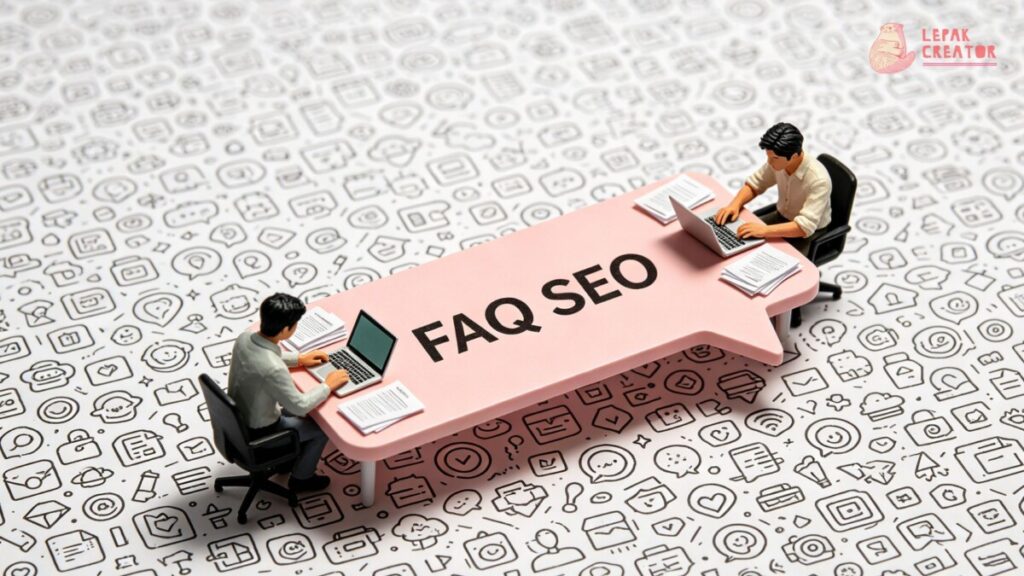
Blue Ocean SEO refers to underused, low-competition questions that most competitors are not targeting yet, but are highly aligned with how people naturally think and ask questions. These include deeper curiosity-driven queries like “why do high-ranking websites disappear from AI answers?” or “how do small businesses stay visible when AI replaces search results?”, which position a brand as forward-thinking and help capture emerging search demand early. In parallel, geo-targeted SEO focuses on location-specific intent—especially important in markets like Singapore—where users search with urgency and local context, such as “best content marketing support for SMEs in Singapore” or “where to learn content creation in Singapore for business owners.” Combining both approaches allows a brand to capture early discovery (Blue Ocean) while also converting high-intent local buyers (Geo SEO), strengthening both reach and conversion potential.
People are also asking online:
Q: Why is my website not appearing in AI search results even if it ranks on Google?
A: Because AI systems prioritise extractable, structured answers rather than full-page ranking signals like backlinks or domain authority.
Q: How do I make my content visible in AI search?
A: Focus on clear structure, direct answers, strong topical focus, and question-based formatting like FAQs.
Q: Is SEO still important in the AI era?
A: Yes, but it has evolved. SEO now focuses on semantic clarity and intent matching, not just keyword ranking.
Q: What type of content does AI prefer?
A: Content that is concise, structured, and easy to summarise into direct answers.
Q: How does branding affect AI search visibility?
A: Strong branding improves entity recognition, making your content easier for AI systems to associate with expertise in a topic.
Still confused about why your website used to rank — but now struggles to appear in both Google and AI search results?
The shift from traditional SEO to AI-driven search can feel messy, especially when you’ve already put in time, effort, and budget into content that used to work but no longer performs the same way.
If you’re unsure:
- why your traffic dropped
- why competitors suddenly appear above you
- or how to restructure your content for AI visibility and stronger search intent alignment
You don’t need to figure it out alone.
Talk to us for a free consultation with Lepakcreator.
We’ll help you:
- Identify why your content is no longer being surfaced
- Break down your current SEO vs AI-search readiness
- Map out clear micro-intent keywords your audience is actually searching for
- Rebuild your content structure so it becomes easier for both Google and AI systems to understand
If your goal is clearer visibility, stronger branding, and a more consistent flow of enquiries — the first step is understanding what’s blocking you now.
Reach out and let’s simplify your search visibility strategy together.