
Every marketer remembers their first “viral moment.” For Sarah, a boutique skincare entrepreneur in Singapore, it was a TikTok video that unexpectedly hit 500,000 views overnight. Her product flew off shelves the next week — but only briefly. Her social feeds fell silent again within days, and soon she found herself wondering: Why did that burst of attention fade so fast? The answer came when she noticed her audience couldn’t articulate what her brand stood for beyond that one viral post. It taught her a lesson many business owners learn the hard way: virality can ignite visibility — but without strong branding, it doesn’t fuel long-term success.
In today’s fast-paced digital environment, harnessing trends and viral content is critical to stay ahead of the algorithm. Yet smart marketers understand that virality should be the amplifier, not the foundation. Before chasing chart-topping trends, you must invest first in brand identity, values, and purpose — without which, the algorithm rewards you with eyeballs but not customer loyalty.
Why Trends and Virality Matter — With Data
Social media isn’t a fad; it’s the primary discovery channel for modern consumers:
- 5.17 billion people use social media worldwide, making up more than 64% of the global population.
- 78% of consumers prefer video content to learn about products, and platforms like TikTok and Instagram are driving engagement.
- Influencer marketing is projected to grow to $28 billion by 2025 as brands tap creators to reach niche communities.
- More than 72% of consumers report social media as their primary source of brand discovery.
These numbers show that trend-driven content and viral formats are where attention resides — and attention is a gateway to brand awareness. A viral clip can take your name around the world in hours. But here lies the caveat…
Why Brand Comes Before Virality
Think of branding as your north star — the consistent identity your audience recognises, trusts, and chooses. Without it, even the most viral content becomes noise rather than meaningful engagement.
1. Branding Builds Trust and Recognition
- 91% of consumers prefer to buy from authentic brands.
- Consistent branding increases revenue by up to 23% and improves visibility dramatically.
- Brands with consistent messaging are 3.5x more likely to be recognised across platforms.
Trends catch attention. Branding earns confidence. Algorithms may favour momentum in the short term, but people favour consistency and credibility in the long term.
2. Viral Attention Is Often Shallow Without Context
Viral content can spike views, but without a clear brand voice, it doesn’t necessarily translate to leads or loyalty. Trend-based exposure without strategic branding can leave audiences confused about who you are and what you stand for. Research on viral marketing shows that attention burns fast and fades if not anchored in deeper meaning.
3. Branding Defines Your Narrative — Trends Just Amplify It
Before you tap into trends or chase virality, your brand must answer these core questions:
- Who are we serving?
- Why do we exist?
- What value do we uniquely deliver?
Once these are clear, you can ride trends and virality with direction — making the algorithm work for you, not against you.
Stay Ahead of the Game: Why Leveraging Trends & Virality is Key to Marketing Success + Case Study
Trend leveraging refers to identifying and leveraging popular and emerging trends in an industry or market to gain a competitive advantage. It can be done by marketers, businesses, or individuals who want to maximize the latest trends.
You can leverage trends by staying informed about industry news. Following key opinion leaders, content creators and influencers on social media is an example of reading industry updates.
Utilizing trends ultimately requires a combination of research, analysis, and creativity. You can take advantage of emerging trends and gain a competitive edge in your industry by staying informed and using data to inform your marketing strategies.
There are countless online examples of how people leverage trends and get more viewers and engagement out of them. Here’s a recent example:
CASE STUDY 1A:
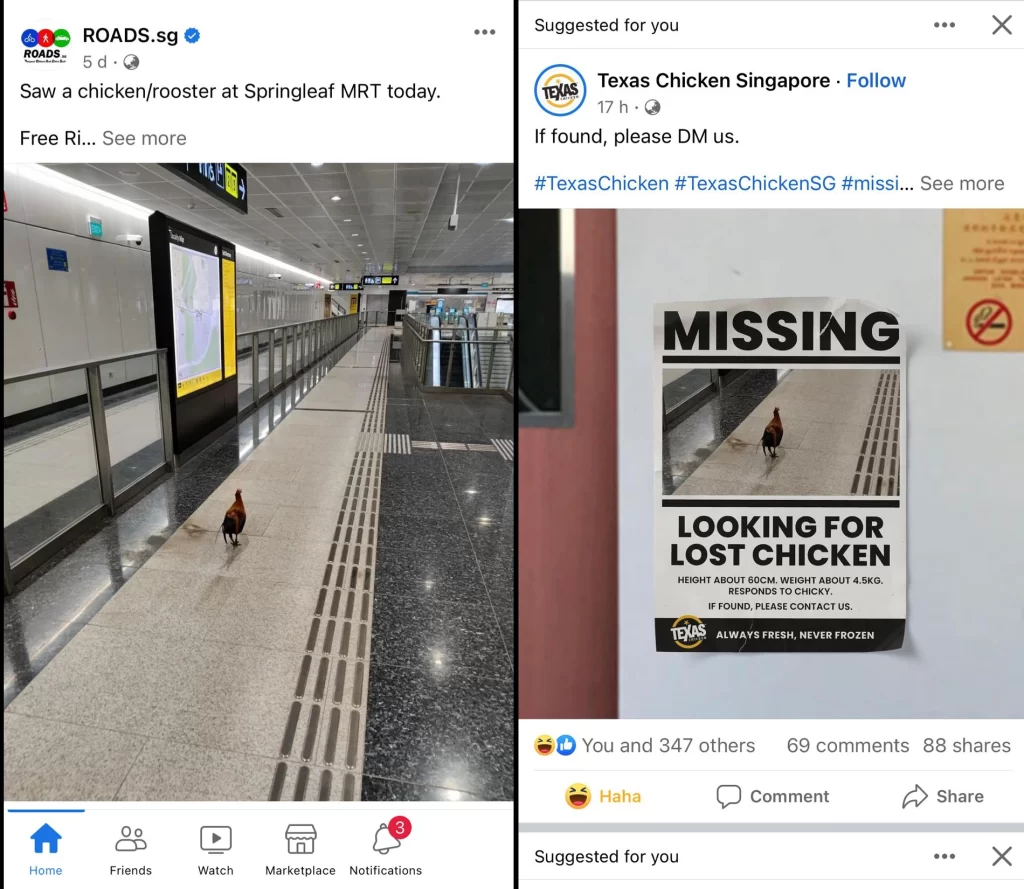
An unexpected sight of a chicken roaming around Springleaf MRT station has caught the attention of the fans of the Facebook page: Roads.sg which recently stirred a viral buzz in Singapore.
Previously, Texas Chicken trended for its “Chicken Bag” for its 13th Anniversary promotion. The post leveraged upon the viral “Chicken” trend and created a humorous artwork that was actually interpreted as their chicken being missing. The post is not only being used indirectly but also adding emotional marketing, which is essentially entertaining their potential customers.
CASE STUDY 2A:
Coming from a marketer’s perspective, their Chicken Bag campaign is an incredible success.
There have even been media reports of their restaurant staff crying due to the stress and pressure she faced from customer enquiries. While this could be negative news, it spiked interest in the Chicken Bag and why people wanted it so badly. Especially for those who went down without redeeming one, this could easily influence more people to want one.
In those few days, everyone is talking about the Chicken Bag, from its pre-launch to its launch to its out-of-stock status. From Facebook to Tiktok.
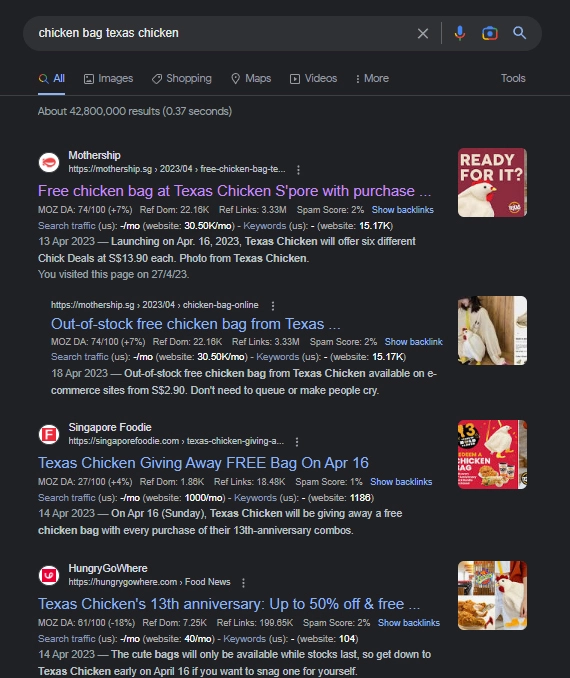
After the product is out of stock, you might think the virality stops here.
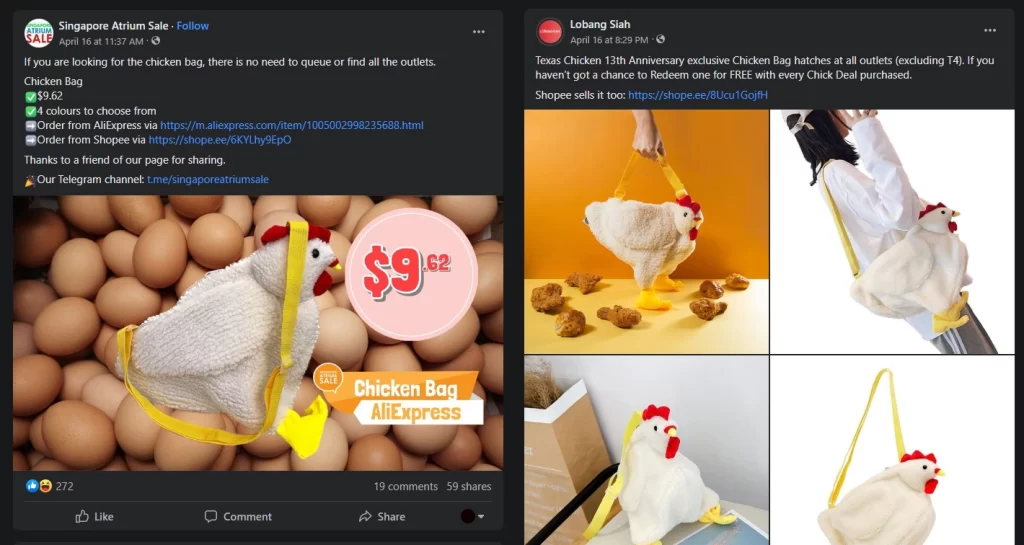
But there are also other media that continue to pick up, such as the two viral Facebook pages here: Singapore Atrium Sale and Lobang Siah. They have found the very popular “Chicken bag” on Shopee.
From Texas Chicken 13th Anniversary to Chicken Bag to Shopee, can you relate?
CASE STUDY 2:
Mixue, a Famous Chinese Dessert Brand has gone even more famous on 23rd April 2023 on Social Media Tik Tok. However, not for its food but its hilarious Mascot.
Seeing an overly dramatic or expressive mascot moving about is unlikely to be common among Singaporeans. When something is rarely seen, it is more likely to become viral.
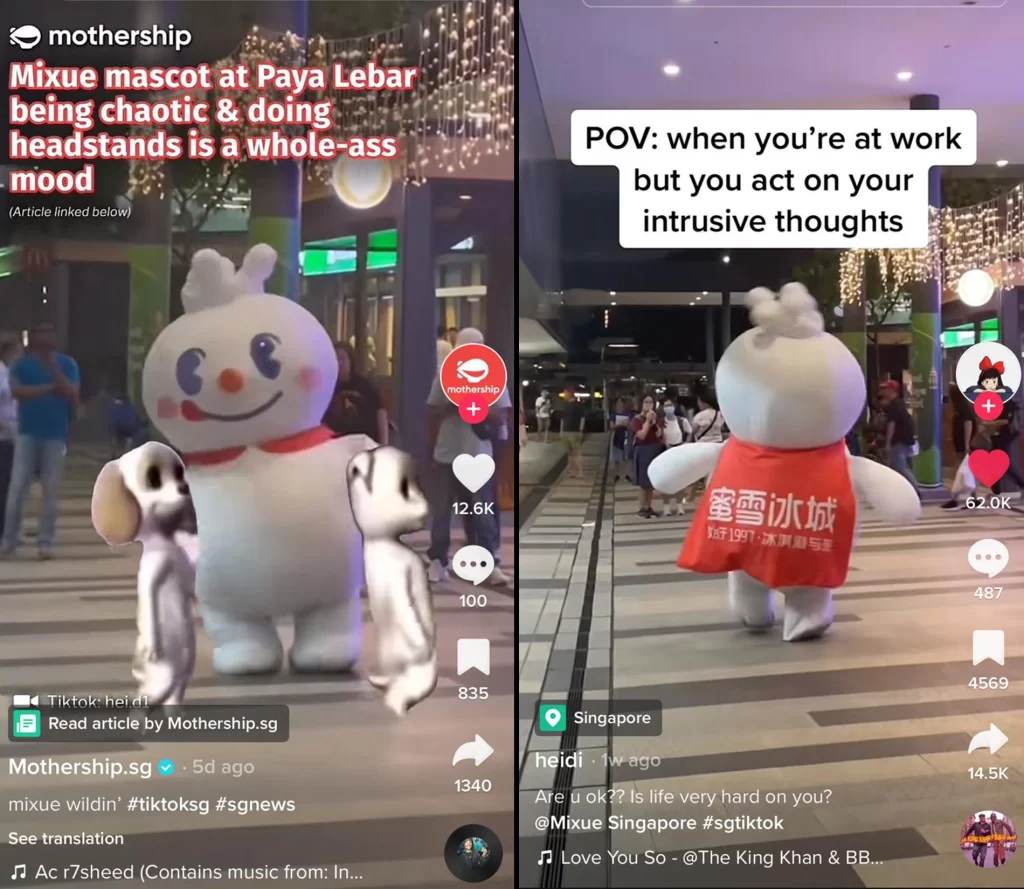
Perhaps Singaporeans think this particular Mixue Mascot is too bored at work or too passionate about his job unknowingly. It is actually Mixue’s very own marketing strategy. Such moves have been used by all their Mascots to gain attention.
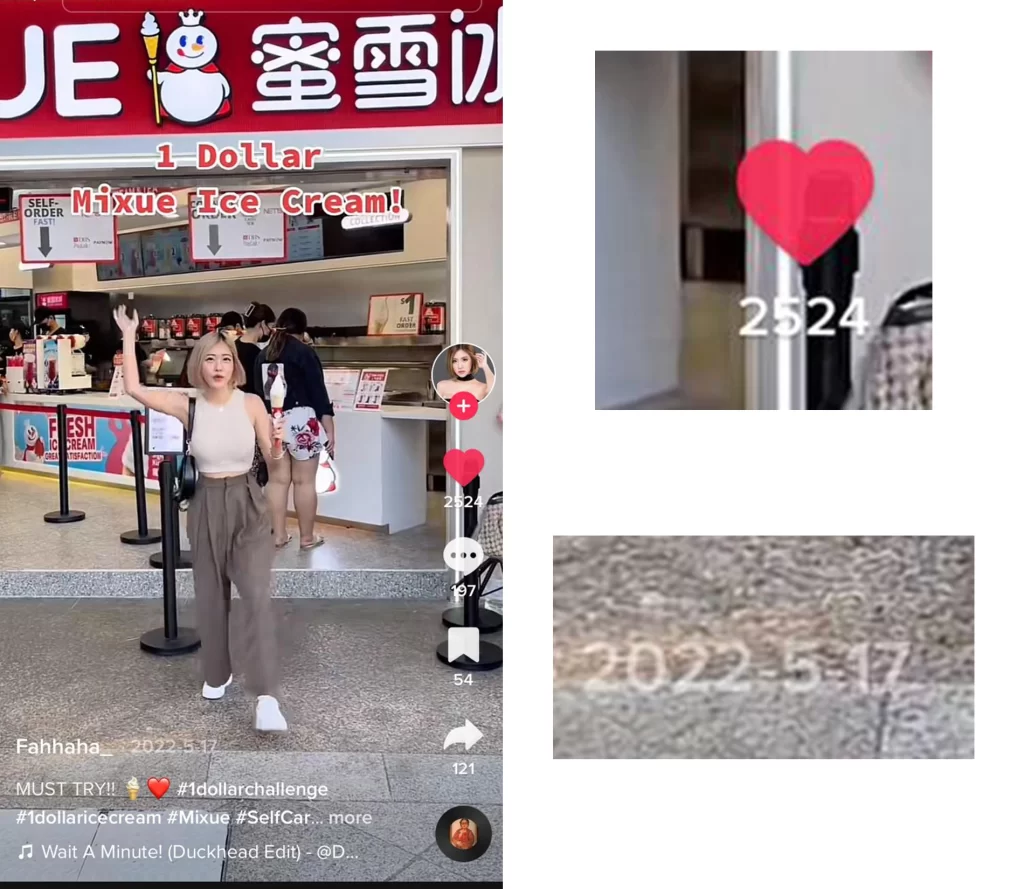
Many people jump into their virality by using their names, hashtags, or just describing what the footage is. Due to its re-targeting algorithm, some of the past posts by others went viral as well.
In addition to gaining more audiences, this allows them to remind their past customers why they ought to try Mixue again…
How Lepakcreator Helps Business Owners Get This Right
At Lepakcreator, we specialise in guiding business owners who struggle with online marketing to:
- Clarify and articulate their brand identity
- Define audience personas with meaningful needs and behaviours
- Develop content strategies that are both trend-aware and brand-centric
- Build campaigns that convert audience attention into actionable leads
Rather than chasing every viral wave, we help you cultivate lasting brand relevance that trends can amplify — leading to sustainable growth and more effective online leads.
People also Search online:
Q: What is the difference between virality and branding?
Search terms: branding vs virality meaning, brand identity importance, viral marketing explained
Answer: Virality refers to content spreading rapidly, usually via social platforms. Branding, on the other hand, is the long-term strategy that shapes how your audience perceives and connects with your business. Virality can increase visibility, but branding creates lasting relationships.
Q: Can a brand succeed without ever going viral?
Search terms: do brands need to go viral to grow, long-term branding benefits, sustainable brand growth strategy
Answer: Yes. Many successful brands never have “viral moments” but achieve steady growth through consistent branding, quality offerings, strong audience engagement, and authentic messaging.
Q: How can small businesses leverage trends without losing brand identity?
Search terms: how to use trends in marketing, balancing trends with brand values, trend + brand strategy
Answer: The key is relevance — use trends that align with your audience’s interests and brand voice. This creates natural extensions of your story rather than forced hype.
Q: How do Singapore business owners keep up with online trends while building brand identity?
Search terms: Singapore social media trends 2026, local brand building tips Singapore, TikTok trends for Singapore brands
Answer: Follow region-specific consumer behaviour data, pay attention to local social hashtags, and integrate Singapore cultural moments into your content while reinforcing your brand values and visual identity.
Q: What are the risks of chasing viral content without a branding strategy?
Answer: Viral content without brand grounding can lead to shallow engagement, confused audiences, and wasted marketing spend — your audience may know the content but not your business or why they should care.
Q: How can brands scientifically predict trend relevance before investing resources?
Answer: Emerging AI-driven tools and social listening platforms analyze early signals and audience behaviour to help marketers spot rising trends before they peak — allowing you to test format viability before committing full production effort.
To Conclude
Virality and trends are powerful engines for exposure in today’s social landscape — but they are amplifiers, not foundations. Without clear, consistent branding, viral moments become fleeting sparks instead of growth milestones.
Taking advantage of trends and virality is essential to marketing success because it allows businesses to reach a larger audience and engage with their target audience more effectively. A viral trend or piece of content can spread rapidly across social media platforms, generating buzz and drawing attention to the brand.
However, to convert that buzz into lasting growth, your brand must be clear, consistent, and memorable — so your audience knows who you are and why you matter.
For long-term success, start with your brand identity, then let trends and algorithms multiply your message.
When was the last time your branding helped a viral moment turn into real business results?
(Credits: Fahhaha_, Mothership, Heidi, Roads.sg, Singapore Atrium Sale, Lobang Siah, Texas Chicken Singapore)
👉🏻 Look out for the latest Marketing & related Tips @lepakcreator Telegram Channel!
Since you’re here, why not Read: