

“I felt crushed when a customer left a harsh review about our café on Google. I wasn’t sure whether to respond, ignore it, or panic.” – Mei, Singapore café owner
Negative reviews happen to almost every business. What matters most is how you respond, because your reaction can either strengthen or damage your brand impression. Studies show that 53% of customers expect businesses to respond to reviews, and companies that reply professionally to negative reviews increase the chance of customer retention by 70%
Here’s a practical guide on what works best for businesses looking to turn negative feedback into brand-positive outcomes.
It is crucial to respond to customer online reviews for several reasons. First of all, it shows that you value your customers’ feedback and care about their experiences with your product or service. You demonstrate your commitment to improving the customer experience by responding to reviews. As a result, your brand can be more trusted and loyal to your customers.
A positive impact can also be seen on your online reputation if you respond to online reviews. The more actively you engage with feedback and address any issues raised, the more likely potential customers are to see your business positively. Responding to negative reviews in a professional and constructive manner can turn a negative experience into a positive one, potentially leading to the customer revising their review or recommending your business.
Here are some steps you can take if you need to apologize to a customer online:
Your response to a review should be prompt in order to demonstrate your commitment to your customers.
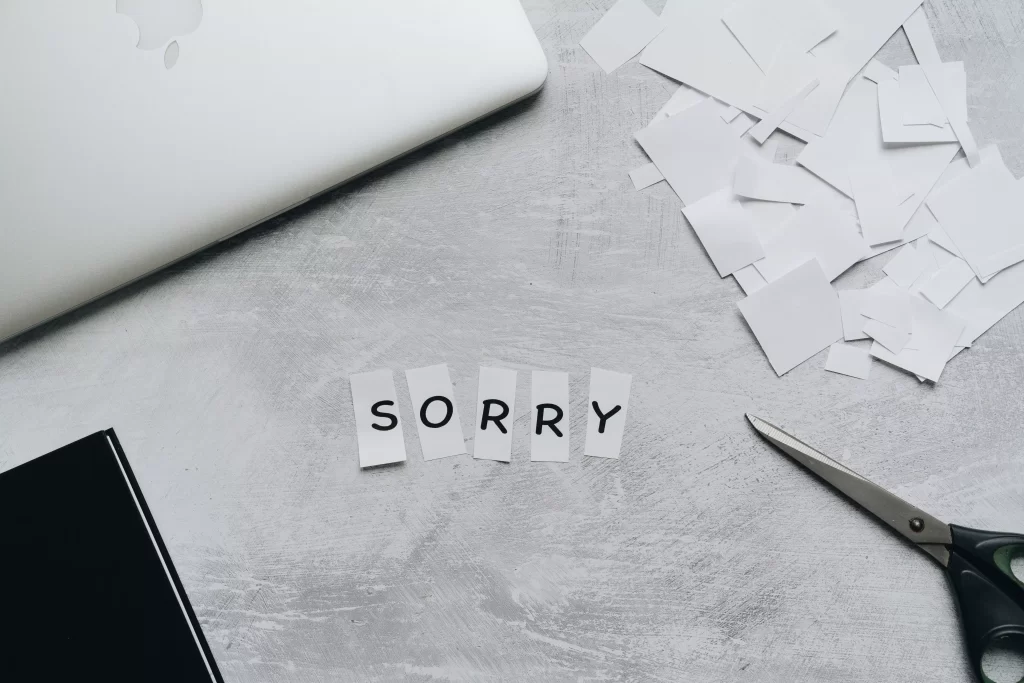
(1) Apologize sincerely:
Start by acknowledging the customer’s experience and expressing your apologies.
Whenever you acknowledge a customer’s experience or apologize on social media, it’s important to be sincere, empathetic, and timely.
Remember, when responding to customer feedback on social media, it’s important to respond in a timely manner, ideally within 24 hours of the initial post. This can help prevent the issue from escalating and show that you are actively engaged with your customers.
(2) Take responsibility:
Make sure you take responsibility for the problem instead of making excuses or blaming others. Thank the customer for their experience and apologize if they were inconvenienced or frustrated. Make sure to use an empathetic and understanding tone, and don’t make excuses or blame the customer.
(3) Offer a solution:
Provide a specific solution to the customer’s concerns. Refunds, discounts, or replacements may be offered, or the issue may be addressed directly. Providing a solution to a customer after a complaint requires empathy, understanding, and a focus on resolving the issue.
Acknowledge the customer’s complaint and apologize for any inconvenience or frustration they may have experienced. Don’t make excuses or blame the customer; use an empathetic, understanding tone.
(4) Provide contact information:
If the customer has a problem or wants to discuss it further, you should give them a way to directly contact you.
An example of how you might structure an apology is as follows:
Dear [Customer Name],
Thank you for leaving a review. We’re so sorry to hear you had a negative experience. We take customer satisfaction very seriously and we’re disappointed to have fallen short of your expectations.
We would like to make things right by offering you a full refund/ replacement product/ complimentary service to make up for the issue. If you would like to discuss this further, please feel free to contact us at [contact information].
Thank you again for your feedback, and we hope to have the opportunity to earn back your trust in the future.
Summing Up
1. Respond Promptly and Professionally
- Acknowledge the issue politely and thank the reviewer.
- Avoid defensive or emotional responses; stay solution-oriented.
- Example: “Thank you for your feedback. We’re sorry for your experience and would like to make it right. Please DM us so we can assist further.”
2. Understand the Root Cause
- Investigate internally to see if the complaint is valid.
- Use negative reviews as an opportunity to identify gaps in service, product, or communication.
3. Publicly Show Commitment to Improvement
- Share what actions you’ve taken to prevent future issues.
- Customers notice businesses that act on feedback, not just respond superficially.
4. Encourage Positive Reviews
- Balance your online reputation with authentic positive reviews from satisfied customers.
- Businesses with more positive reviews see a 31% higher conversion rate.
5. Take the Conversation Offline When Needed
- Offer a direct line or email to resolve more complex issues.
- This prevents long public disputes while showing care.
6. Learn and Document Patterns
- Track recurring complaints for process improvements.
- Shows customers you take feedback seriously and continuously improve your brand.
7. Use Negative Reviews to Build Brand Transparency
- Addressing complaints openly can build trust.
- 94% of consumers are likely to trust a business that responds to reviews.
Show You’ve Taken the Necessary Action
Improving business performance requires customer feedback. Taking steps to resolve a negative online review can help turn it into a positive one if you’ve received one.
Respond to the customer’s complaint on the review site once you’ve resolved the issue. This will help other customers see what you’ve done.
How Lepakcreator Helps Business Owners Handle Reviews
Many business owners struggle with online presence and online reputation management. At Lepakcreator, we help you:
–Analyse reviews strategically – see which areas need attention.
–Craft professional responses – maintain brand voice while addressing concerns.
–Monitor overall online reputation – balance negative reviews with positive engagement.
–Use feedback for marketing & branding improvement – turn challenges into opportunities.
Whether you’re a café, retail shop, or service business in Singapore, our strategies help turn negative reviews into trust-building moments.
People also ask online:
Q: How should businesses respond to negative reviews?
- Respond politely, acknowledge the feedback, and offer a solution or follow-up.
Q: Can negative reviews actually improve brand perception?
- Yes. Businesses that respond professionally and act on feedback can build trust and loyalty.
Q: How can SMEs manage Google reviews effectively?
- Monitor reviews regularly, respond promptly, encourage positive reviews, and resolve complaints privately when needed.
Q: What’s the best strategy for handling repeated negative reviews?
- Identify root causes, fix internal processes, and demonstrate visible improvements publicly.
Q: Can turning negative reviews into marketing opportunities work?
- Yes. Sharing lessons learned and improvements based on feedback shows transparency and strengthens your brand story.
Conclusion
Negative reviews aren’t the end—they’re an opportunity to show your professionalism, commitment, and brand values. Handling them effectively can enhance trust, loyalty, and online presence, while mishandling can damage credibility.
So, how will you respond to your next negative review to turn it into a brand-building moment?
👉🏻 Look out for the latest Marketing & related Tips @lepakcreator Telegram Channel!
(Credits: Pexels)
Since you’re here, why not Read: