It’s easy for even the most creative brands to get lost in the noise. One of the biggest mistakes businesses make is assuming they know their customers without truly understanding them. At Lepakcreator, we’ve seen countless entrepreneurs and small businesses struggle because they skipped the step of truly identifying their target audience. So why is this step so critical? Let’s break it down.
1. Understanding Your Audience Helps You Speak Their Language
When you know your audience’s preferences, struggles, and desires, you can create content and campaigns that resonate deeply. Instead of generic messages, your communication feels personalized—whether it’s a social media post, an email, or a website landing page.
For example, if your audience consists of busy young professionals in Singapore who want wellness tips, knowing that helps you craft quick, actionable advice that they actually use. You won’t waste time creating long-form content no one reads.
2. It Saves Time, Money, and Effort
Marketing without audience insight is like throwing darts blindfolded. Many businesses spend thousands on ads or campaigns that don’t convert because they target the wrong people.
By understanding your audience first, you can:
- Choose the right social platforms for engagement
- Optimize ad spend by targeting the right demographics
- Avoid creating content that falls flat
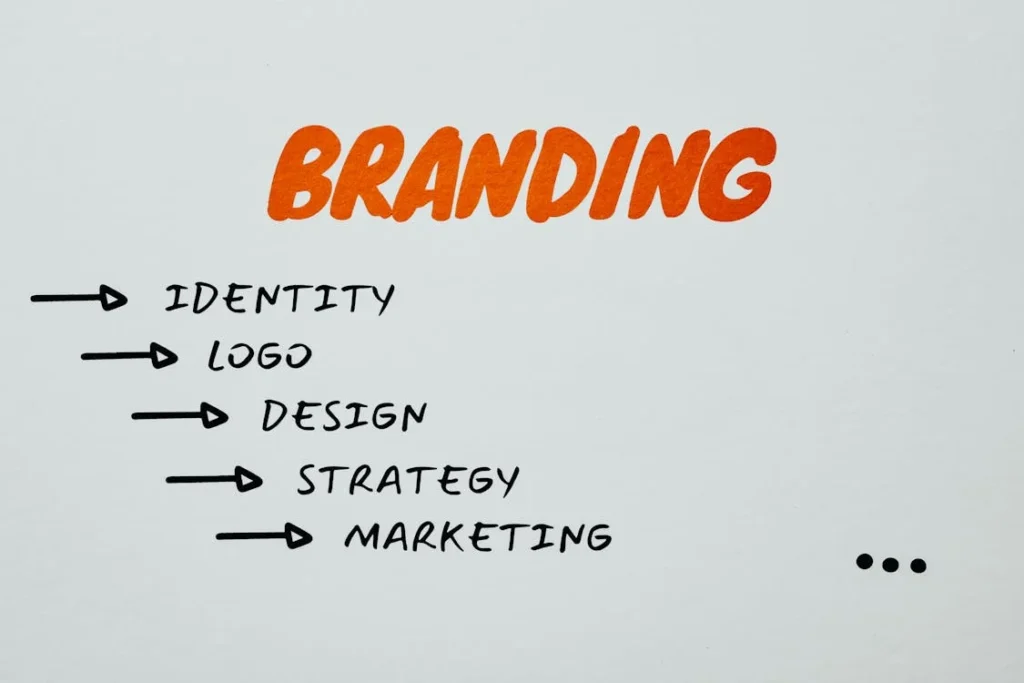
3. It Strengthens Your Branding and Omni-Channel Strategy
Your brand isn’t just a logo or a product—it’s a promise to your audience. By understanding your customers’ values, pain points, and lifestyle, you can design a brand experience that aligns across all channels: Instagram, TikTok, email, in-store experiences, and even collaborations.
This is where Lepakcreator’s philosophy of Strategic Branding & Omni-Channel Marketing for Brands comes in. When you connect your brand purpose with your audience’s values, your messaging becomes cohesive and memorable.
4. Helps You Anticipate Customer Needs
Once you know your audience deeply, you can predict trends and needs before your competitors. For instance, a food brand noticing a rising trend in wellness-conscious choices can preemptively offer healthy options, creating authority and trust.
5. Improves Conversion and Loyalty
Understanding your audience means understanding their decision-making triggers. When you know what motivates a purchase—whether it’s convenience, price, sustainability, or social proof—you can nudge them gently toward conversion.
Additionally, when your audience feels understood, they become loyal advocates rather than one-time buyers.
But why is it so essential? Let’s dive in and explore the reasons why discovering and understanding your target audience can make all the difference.
1. Crafting Relevant Content and Offers
The foundation of successful marketing lies in delivering content and offers that resonate with your audience. When you know who your target audience is, you can create tailored content that speaks to their needs, desires, pain points, and interests. For instance, if you’re selling wellness products, knowing whether your audience is interested in stress relief or fitness will help you create content that addresses these specific needs.
Without this understanding, you risk creating content that misses the mark or fails to engage, leading to wasted time and resources.
2. Improving Customer Engagement
Audience insights enable you to engage your customers on a deeper level. Whether it’s on social media, through email campaigns, or in-person events, knowing your target audience helps you connect with them meaningfully. Engaged customers are more likely to interact with your posts, share content, and spread word-of-mouth recommendations, which can boost your brand’s reach and reputation.
Engagement isn’t just about being present on the right platforms; it’s about communicating in a way that your audience finds valuable and relevant. Understanding their preferences allows you to interact in ways that encourage ongoing conversations and build loyalty.
3. Enhancing Marketing ROI
Marketing is an investment, and like any investment, you want to get the best return possible. When you know your target audience, you can allocate your budget more effectively, focusing on the channels, content types, and messaging that will deliver the best results. You won’t waste resources on outreach that doesn’t speak to the people who are most likely to convert into customers.
A strong understanding of your audience helps you target the right people with the right message, improving your overall marketing return on investment (ROI).
4. Refining Your Brand Messaging
Your brand’s voice and messaging should align with the values and expectations of your target audience. A deep understanding of who they are, what motivates them, and their pain points ensures that your messaging is on point and resonates with them on an emotional level.
Whether you’re working on your website, social media profiles, or advertising materials, a clear sense of your audience helps you craft messaging that connects authentically and builds trust.
5. Building Stronger Relationships
Understanding your audience goes beyond just attracting them—it’s about fostering long-term relationships. When you know what your audience cares about, you can offer valuable insights, resources, or support that show you understand their needs. This builds trust and loyalty, encouraging repeat business and creating brand advocates who will recommend your products or services to others.
6. Standing Out in a Crowded Market
In a world where new businesses and content creators are emerging constantly, standing out can feel like an uphill battle. However, when you know exactly who your audience is and how to cater to them, you can differentiate yourself from the competition. You can position your products or services as the solution to their unique problems, creating a niche that sets you apart from the crowd.
7. Adapting to Changes and Trends
Market trends are constantly shifting, and so are the preferences of your target audience. Understanding your audience keeps you in tune with these changes, allowing you to adjust your strategies accordingly. Whether it’s adopting new social media platforms, introducing new products, or adjusting your messaging, staying connected with your audience ensures you remain relevant in an ever-changing market.
Conclusion: Empowering Your Success
Knowing your target audience is more than just a marketing strategy—it’s an important element that influences every aspect of your business, from product development and content creation to customer service and brand loyalty. By gaining a deep understanding of your ideal customers, you can better connect with them, serve them, and ultimately drive the success of your business or brand.
So, take the time to research and analyze your target audience. Understand who they are, what they need, and where they spend their time. It’s the first step toward building meaningful connections and sustainable growth.
Practical Tips to Know Your Audience Better
- Create Buyer Personas – Age, location, habits, struggles, and motivations
- Engage in Social Listening – Track conversations about your niche
- Survey and Interview – Ask customers directly about preferences
- Analyze Analytics – Use Instagram insights, Google Analytics, and TikTok metrics
- Observe Competitors – See which audience they attract and why
Business owners also asked:
Q1: How can I identify my target audience in Singapore?
A1: Start by segmenting demographics like age, occupation, and interests. Use local trends, online surveys, and social media insights.
Q2: What tools can help small businesses understand their audience better?
A2: Google Analytics, Meta Business Suite, TikTok Analytics, Typeform surveys, and customer feedback forms.
Q3: Why is knowing my audience important before running ads?
A3: Targeting the right audience reduces wasted ad spend, increases engagement, and improves ROI.
Q4: How often should I update my target audience profile?
A4: Ideally every 6–12 months or whenever there’s a major change in your market trends.
Q5: Can audience research improve my branding across multiple channels?
A5: Absolutely. Knowing your audience allows consistent messaging across Instagram, email campaigns, website content, and offline events.
Q6: How do I find an untapped niche in my market?
A6: Combine trend research, social listening, and problem identification. Look for gaps your competitors ignore but your audience desperately wants solved.
Q7: How do I use audience insights to create purpose-driven campaigns?
A7: Map your brand mission to your audience’s values and pain points. Highlight real solutions, not just products.
Strategic Branding & Omni-Channel Marketing Insight
Aligning it with brand purpose:
- Identify core audience pain points your brand solves
- Tailor content for each platform, maintaining a unified voice
- Use insights to plan cross-channel campaigns (email → social → offline events)
- Focus on meaningful engagement, not just vanity metrics
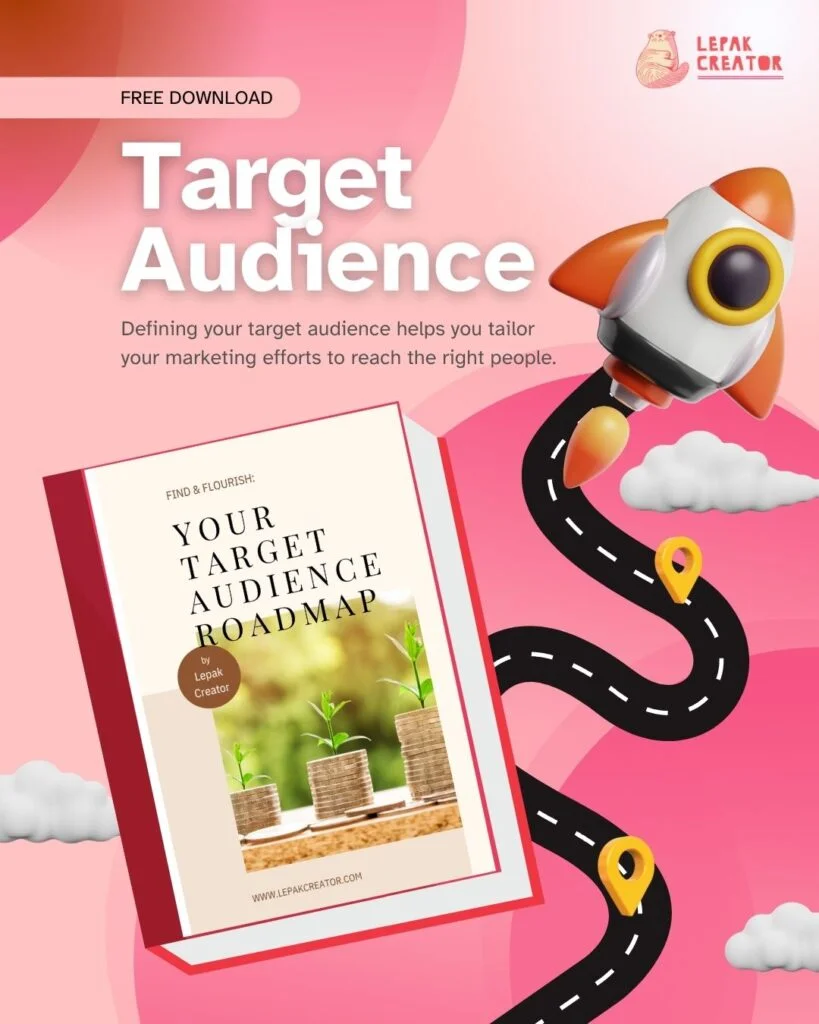
Download FREE E-BOOK: Your Target Audience Roadmap
Want to better understand and engage your audience? This FREE e-book is your guide to identifying, defining, and reaching your target audience with effective strategies.
In Your Target Audience Roadmap, you’ll discover:
- How to define who your ideal audience is
- Proven strategies to engage them meaningfully
- Tips on reviewing and refining your approach for continued growth
Start reaching the right people today! Download the E-book and transform your marketing efforts.
We genuinely hope you found it helpful and gained valuable insights. If you ever require further assistance with your marketing endeavors, don’t hesitate to reach out to us. Our team is always ready to provide expert guidance and support. 👉🏻 Look out for the latest Marketing & related Tips @lepakcreator Telegram Channel!
(Credits: Pexels)
Since you’re here, why not Read: